Water Pressure Problems in Yamhill County & Washington County: What Homeowners Need to Know
If you live in McMinnville, Newberg, Sherwood, Tigard, Beaverton, Hillsboro, or Forest Grove, chances are you’ve experienced water pressure issues at some point—whether it’s a weak shower, fluctuating pressure, or sudden drops.
Water pressure problems are one of the most common plumbing complaints in the Portland metro’s west side—and the causes aren’t always obvious.
Let’s break down what’s really happening—and when it’s time to call a pro.
What Is “Normal” Water Pressure?
Most homes should operate between 40–60 PSI (pounds per square inch). Anything below that can feel weak, and anything above 80 PSI can actually damage your plumbing system.
Pressure can vary depending on:
Elevation of your home Distance from municipal supply lines Neighborhood demand (especially mornings & evenings)
In fact, pressure fluctuations during peak usage times are completely normal in residential areas.
Common Causes of Low Water Pressure in Your Area 1. Aging Pipes (Very Common in Older Homes)
Many homes in McMinnville, Forest Grove, and older parts of Hillsboro still have galvanized steel piping.
Over time, these pipes corrode internally, restricting flow and reducing pressure.
Signs:
Gradual pressure loss Discolored water Worse pressure at certain fixtures 2. Faulty Pressure Reducing Valve (PRV)
Homes in Tigard, Beaverton, and Sherwood often have PRVs installed due to higher incoming pressure zones.
When these fail, you might get:
Sudden low pressure Fluctuating pressure Or even dangerously high pressure
A defective PRV is a known cause of pressure issues in local systems.
3. Leaks in Your Plumbing System
Even a small hidden leak can rob your entire home of pressure.
Watch for:
Unexpectedly high water bills Sounds of running water Wet spots in yard or crawlspace
Low pressure across all fixtures is often a sign of a leak somewhere in the system.
4. Municipal Supply Issues or Repairs
Cities like Newberg and Hillsboro occasionally experience:
Water main breaks System maintenance Temporary service disruptions
For example, localized breaks can cause noticeable pressure drops in neighborhoods.
5. Air in the Water Lines
If your water sputters or looks cloudy, you may have air trapped in the system—often after nearby construction or repairs.
This is something municipalities like Tigard note as a common, temporary issue.
6. Peak Demand & Seasonal Changes
In areas like Yamhill County and Washington County, summer irrigation demand can significantly impact pressure.
Morning and evening usage spikes can also temporarily reduce pressure in residential neighborhoods.
High Water Pressure: The Silent Problem
Most homeowners only notice low pressure—but high pressure is often more dangerous.
It can:
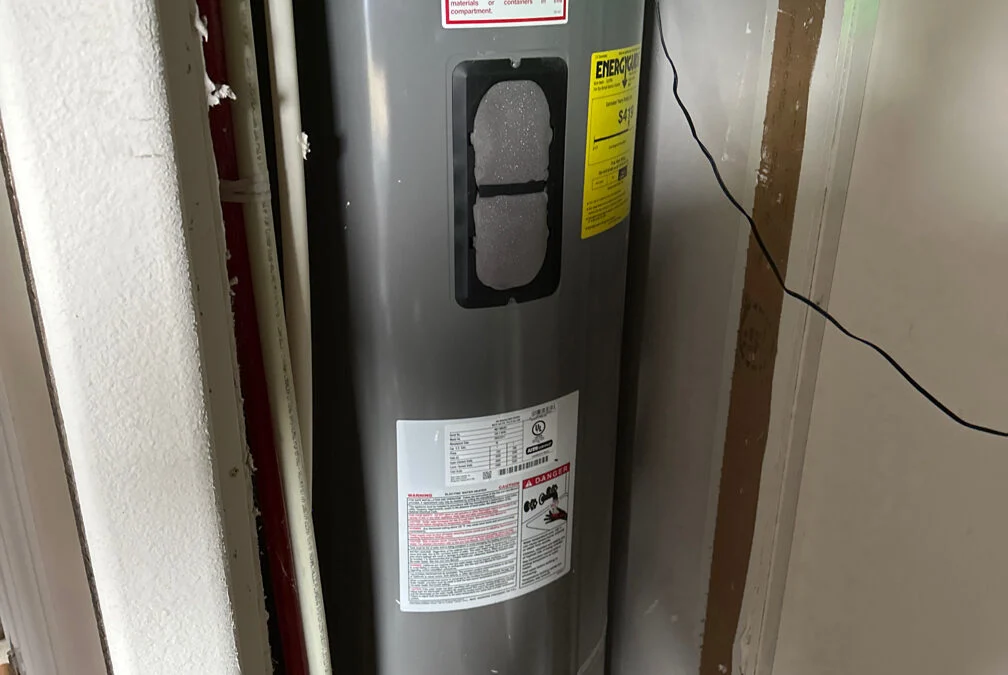
Shorten the life of water heaters Damage fixtures and valves Cause hidden leaks over time
If your pressure is too high, installing or replacing a PRV is critical.
When It’s a DIY Fix vs. When to Call a Plumber You might fix it yourself if: Only one faucet is affected (clean the aerator) Pressure issue started after recent work (bleed air from lines) Call a professional if: Pressure is low throughout the entire home You suspect a leak Your home has older piping Pressure fluctuates unpredictably Local Insight: Why This Matters in Your Area
Homes across Yamhill and Washington Counties face a unique mix of:
Older infrastructure (especially rural and historic homes) Elevation changes across the Tualatin Valley Mix of city water and well systems
That means no two pressure problems are exactly the same—and guessing can cost you time and money.
How to Test Your Water Pressure
You can pick up a simple pressure gauge at any hardware store and attach it to an outdoor hose bib.
Below 40 PSI → Too low 40–60 PSI → Ideal Above 80 PSI → Too high (needs attention immediately) Final Thoughts
Water pressure issues aren’t just an inconvenience—they’re often an early warning sign of bigger plumbing problems.
If you’re in McMinnville, Newberg, Sherwood, Tigard, Beaverton, Hillsboro, or Forest Grove, understanding what’s normal—and what’s not—can help you protect your home and avoid costly repairs.

Water Pressure Problems in Yamhill County & Washington County: What Homeowners Need to Know
If you live in McMinnville, Newberg, Sherwood, Tigard, Beaverton, Hillsboro, or Forest Grove, chances are you’ve experienced water pressure issues at some point—whether it’s a weak shower, fluctuating pressure, or sudden drops.
Water pressure problems are one of the most common plumbing complaints in the Portland metro’s west side—and the causes aren’t always obvious.
Let’s break down what’s really happening—and when it’s time to call a pro.
What Is “Normal” Water Pressure?
Most homes should operate between 40–60 PSI (pounds per square inch). Anything below that can feel weak, and anything above 80 PSI can actually damage your plumbing system.
Pressure can vary depending on:
Elevation of your home
Distance from municipal supply lines
Neighborhood demand (especially mornings & evenings)
In fact, pressure fluctuations during peak usage times are completely normal in residential areas.
Common Causes of Low Water Pressure in Your Area
1. Aging Pipes (Very Common in Older Homes)
Many homes in McMinnville, Forest Grove, and older parts of Hillsboro still have galvanized steel piping.
Over time, these pipes corrode internally, restricting flow and reducing pressure.
Signs:
Gradual pressure loss
Discolored water
Worse pressure at certain fixtures
2. Faulty Pressure Reducing Valve (PRV)
Homes in Tigard, Beaverton, and Sherwood often have PRVs installed due to higher incoming pressure zones.
When these fail, you might get:
Sudden low pressure
Fluctuating pressure
Or even dangerously high pressure
A defective PRV is a known cause of pressure issues in local systems.
3. Leaks in Your Plumbing System
Even a small hidden leak can rob your entire home of pressure.
Watch for:
Unexpectedly high water bills
Sounds of running water
Wet spots in yard or crawlspace
Low pressure across all fixtures is often a sign of a leak somewhere in the system.
4. Municipal Supply Issues or Repairs
Cities like Newberg and Hillsboro occasionally experience:
Water main breaks
System maintenance
Temporary service disruptions
For example, localized breaks can cause noticeable pressure drops in neighborhoods.
5. Air in the Water Lines
If your water sputters or looks cloudy, you may have air trapped in the system—often after nearby construction or repairs.
This is something municipalities like Tigard note as a common, temporary issue.
6. Peak Demand & Seasonal Changes
In areas like Yamhill County and Washington County, summer irrigation demand can significantly impact pressure.
Morning and evening usage spikes can also temporarily reduce pressure in residential neighborhoods.
High Water Pressure: The Silent Problem
Most homeowners only notice low pressure—but high pressure is often more dangerous.
It can:
Shorten the life of water heaters
Damage fixtures and valves
Cause hidden leaks over time
If your pressure is too high, installing or replacing a PRV is critical.
When It’s a DIY Fix vs. When to Call a Plumber
You might fix it yourself if:
Only one faucet is affected (clean the aerator)
Pressure issue started after recent work (bleed air from lines)
Call a professional if:
Pressure is low throughout the entire home
You suspect a leak
Your home has older piping
Pressure fluctuates unpredictably
Local Insight: Why This Matters in Your Area
Homes across Yamhill and Washington Counties face a unique mix of:
Older infrastructure (especially rural and historic homes)
Elevation changes across the Tualatin Valley
Mix of city water and well systems
That means no two pressure problems are exactly the same—and guessing can cost you time and money.
How to Test Your Water Pressure
You can pick up a simple pressure gauge at any hardware store and attach it to an outdoor hose bib.
Below 40 PSI → Too low
40–60 PSI → Ideal
Above 80 PSI → Too high (needs attention immediately)
Final Thoughts
Water pressure issues aren’t just an inconvenience—they’re often an early warning sign of bigger plumbing problems.
If you’re in McMinnville, Newberg, Sherwood, Tigard, Beaverton, Hillsboro, or Forest Grove, understanding what’s normal—and what’s not—can help you protect your home and avoid costly repairs.